
THE CARE JOURNAL
Reading a pet-care label: six checks before use or sourcing
Separate intended use, responsible companies, date information, directions, ingredient descriptions and supporting documents.Existing product reference; follow the current label.
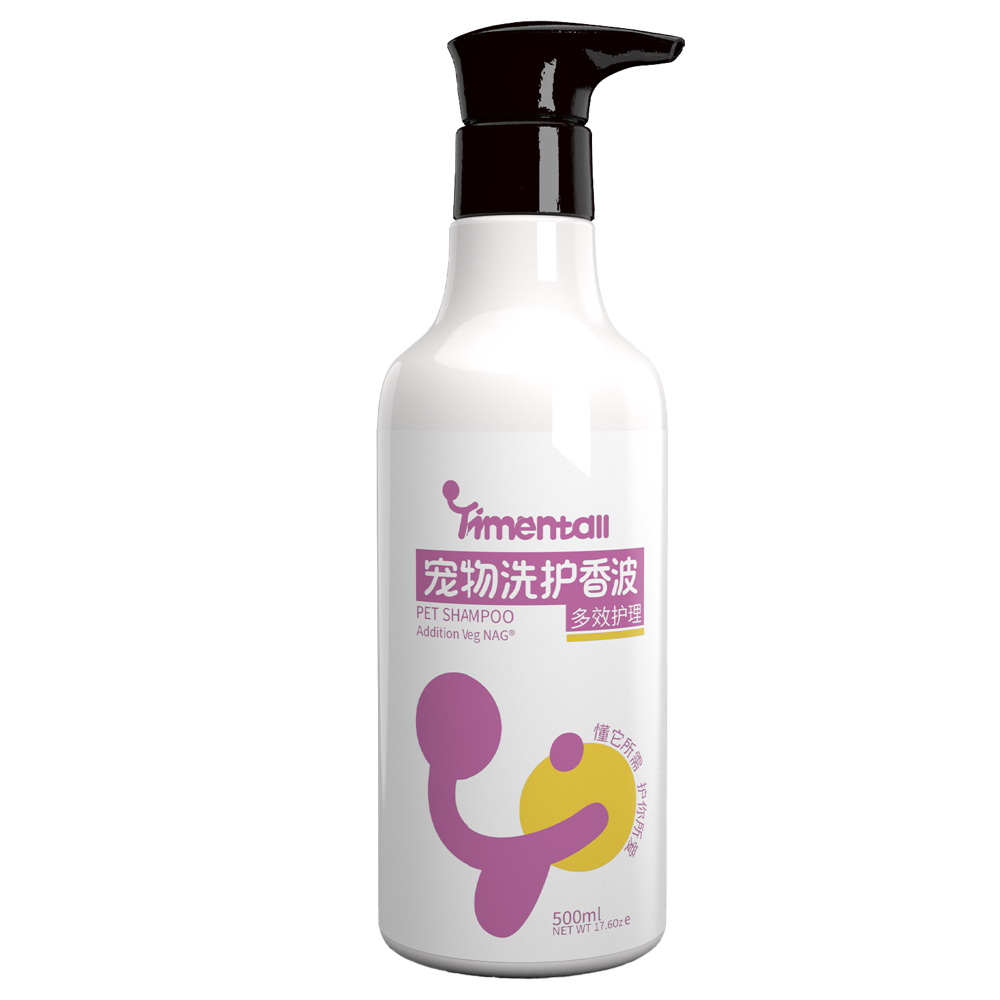
The front of a pack helps identify a brand. Before using or evaluating a product, read the container, outer pack, instructions and batch or date markings together. An attractive bottle or scent does not replace those checks.
Confirm the use, intended animal and application area
An odour-related description may concern body washing, brushing care or environmental cleaning. Read the product category, intended user or animal, application area and method as a set. Similar wording does not make environmental products suitable for the pet’s body.
Distinguish rinse-off from leave-in directions. Ask the supplier about missing instructions for your planned setting rather than assuming one method fits every category.
Separate the brand from the companies named on the pack
Record the full names and stated roles of the commissioning company, manufacturer and seller where listed. Do not infer relationships from a logo or a similar company name.
Registered, manufacturing and contact addresses may serve different purposes. Clarify discrepancies rather than assuming they must all be identical. An unsuccessful public-record search does not establish wrongdoing. Label requirements depend on destination market; this checklist is not regulatory clearance.
Read date information and the entire method
Identify the manufacturing date, stated expiry or period and batch reference separately. A shelf-life statement still needs its starting or expiry basis; a batch code is not necessarily a date. Ask about unclear markings or abnormal packaging or contents.
Check dilution definitions, washing method, application area, contact and rinsing instructions, storage and precautions. Another formula’s pump count or equipment setting cannot fill gaps in the current product’s directions.
Keep ingredient, standard and test information distinct
Ingredient names can guide further questions but do not reveal concentration, the complete formulation or finished-product performance. Read only what has actually been disclosed.
A standard identifies requirements or methods; a report needs a matching sample, test scope and conditions. Keep a six-part record covering use, companies, dates, directions, ingredient descriptions and outstanding evidence. It gives a sourcing conversation a concrete starting point.
Sources and scope
Chinese product-label context: Product Quality Law
Company-identity lookup reference (China)
The Chinese legal reference provides local labeling context, not a statement of requirements in every destination market.
Compiled by Timentall. Referenced organizations do not thereby endorse the brand or its products.
Explore the related care.
Product-use questionsTimentall wholesale and salon partnerships
Developing your own brand? Discuss an OEM brief
Ma’anshan Tiantai Biotechnology Co., Ltd. provides an OEM/ODM inquiry route. Describe the category, destination and experience to evaluate. Formula, packaging, volume, samples and document scope require project confirmation.
Explore OEM/ODM →Manufacturing and applicable documents →KEEP EXPLORING
Keep the routine connected.
Pet-care supplier documents: match certificates and reports to the product
Separate company, ingredient and finished-product evidence before reviewing the scope, sample, method and current status.
Read next →Which bottle fits the care you need?
Separate bathing, rinse-off conditioning, everyday brushing and home care before choosing a product.
Read next →